







Research, Reconcile, Repeat: When Sources Don’t Agree
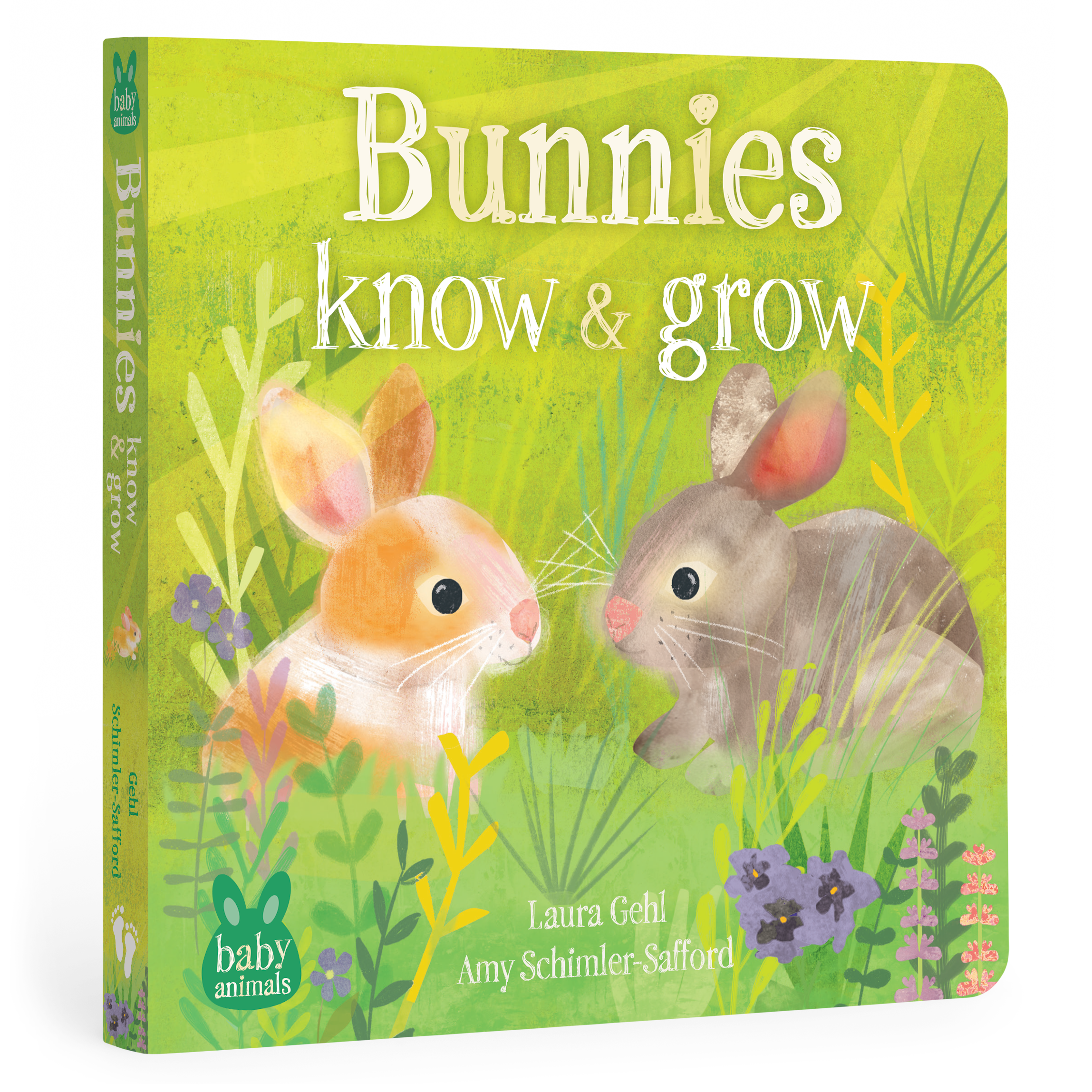
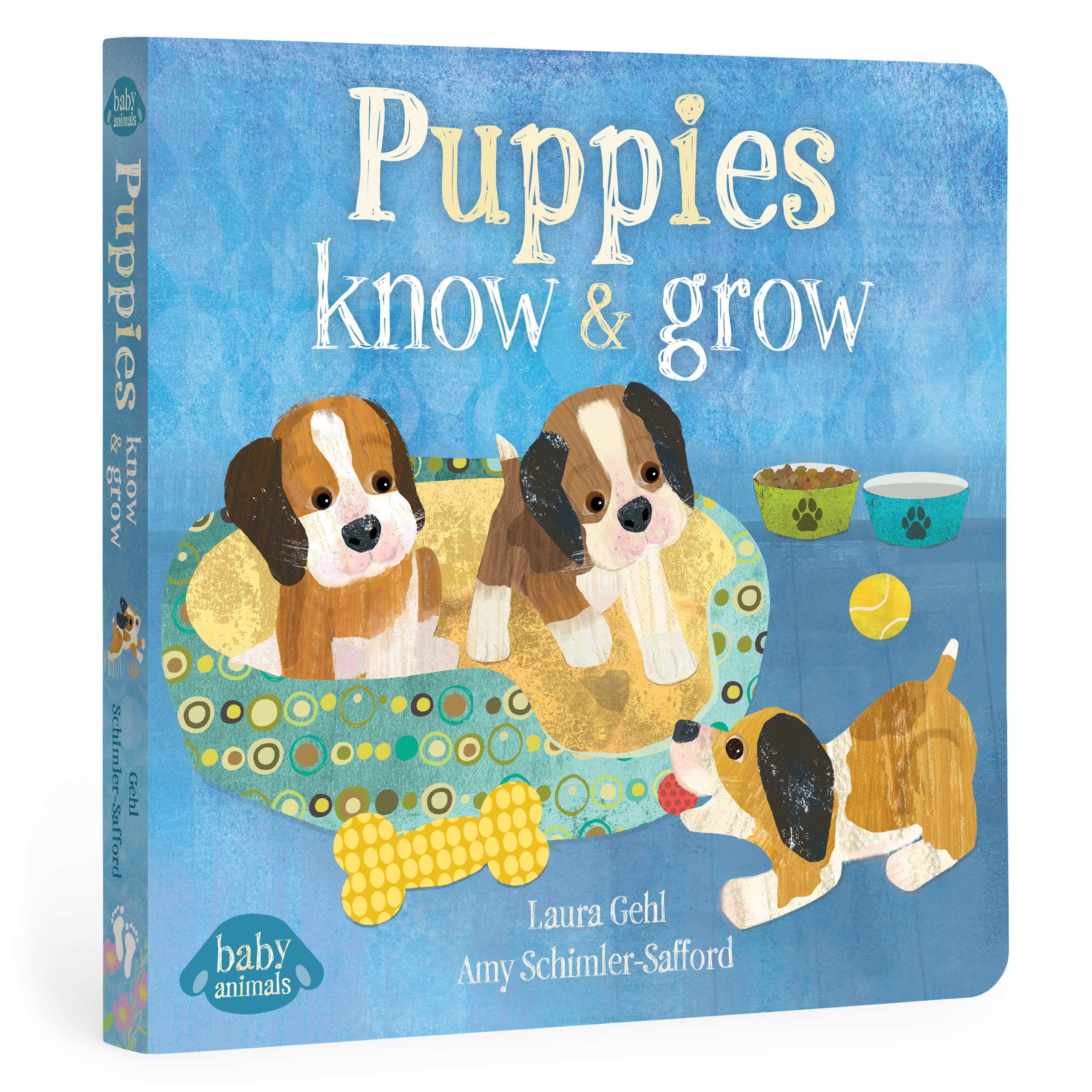
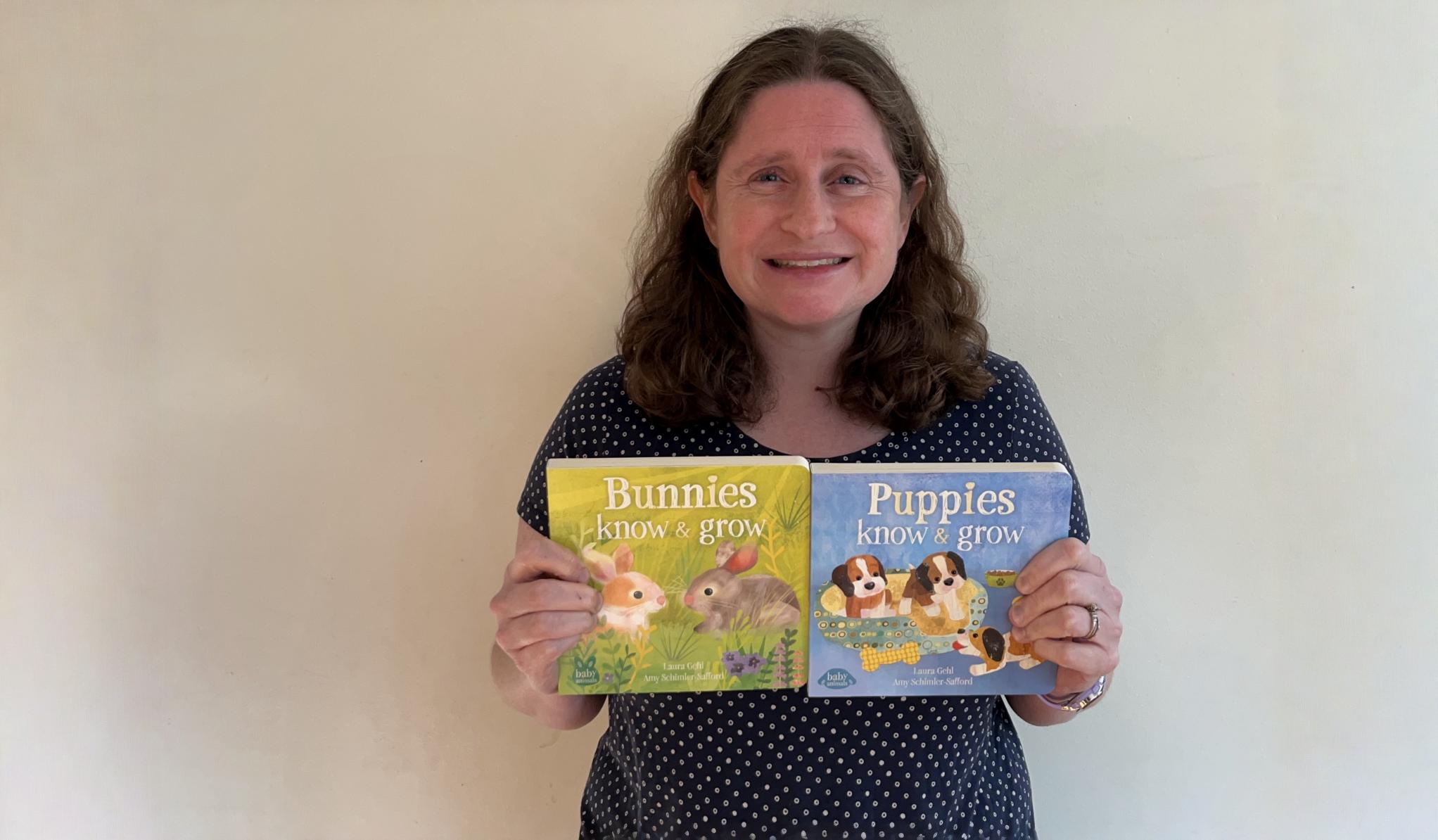
Dr. Laura Gehl is the award-winning author of more than fifty books for young readers, including picture books, board books, lift-the-flap books, and early readers. Her new Barefoot titles Bunnies Know & Grow and Puppies Know & Grow launch the Baby Animals series and follow young animals as they develop.
Often, when I visit schools, kids ask me, “What was the hardest part of writing this book?” For some books, I don’t have a simple answer. But if kids ask me the hardest part of writing these little nonfiction board books about bunnies and puppies, I will know exactly what to tell them. The hardest part of writing these books was that my research sources often did not agree with one another!
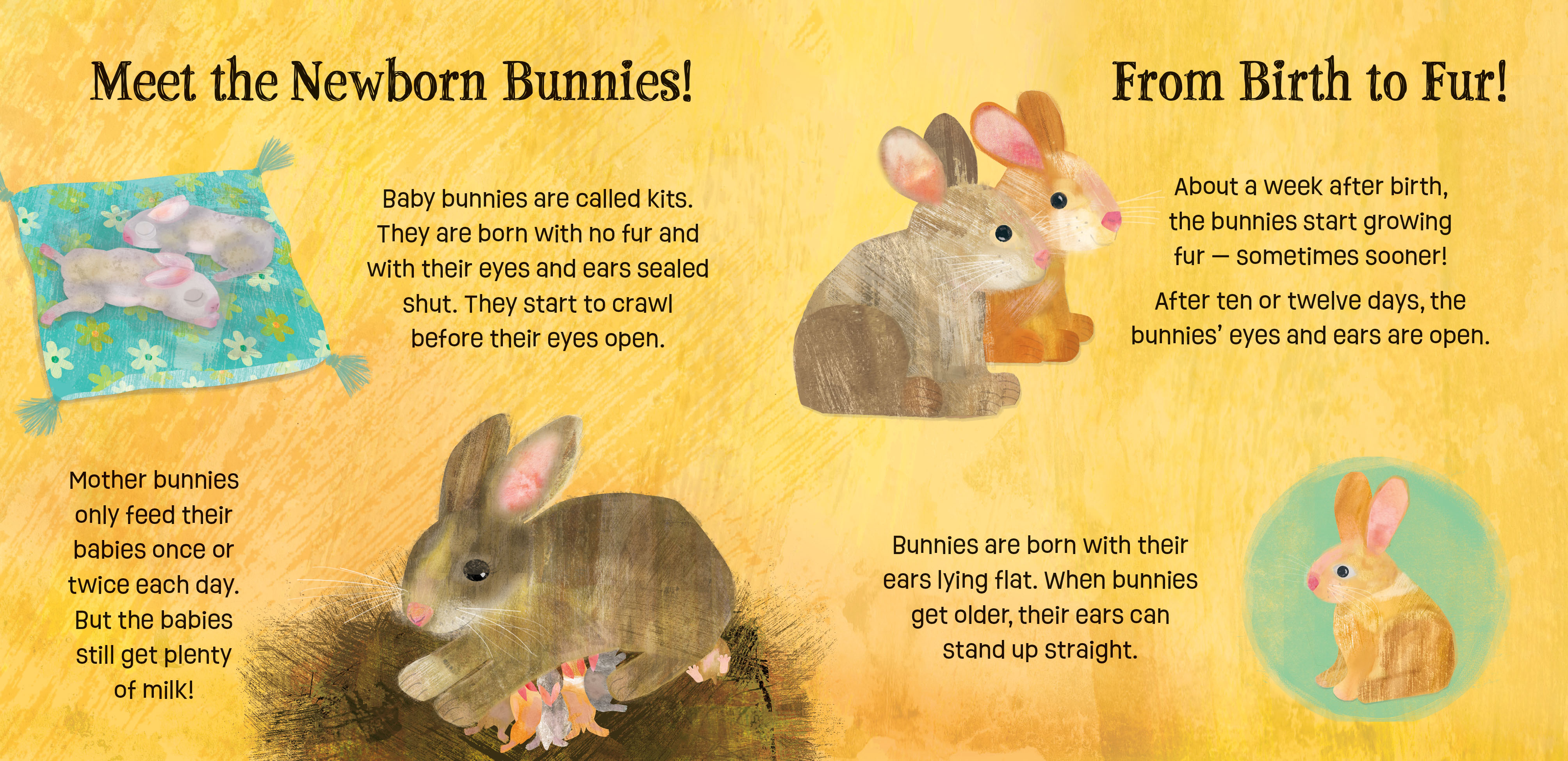
For example: When I was researching Bunnies Know and Grow, I had one source that said newborn bunnies open their eyes when they are around 10-12 days old. A second source said the same thing. So did a third source. Great! I could feel pretty confident about that piece of information. But when I tried to find out when bunnies grow fur, one source said they start to get fur around day 5 and still look similar on day 7. This source went on to say that on day 10, the bunnies are “fuzzy,” then “fluffy” on day 12, and “really fluffy” on day 15. Meanwhile, another source said that bunnies are “fully furred” within 7-10 days. A third source said that baby bunnies are fully furred by three weeks of age, and a fourth said that fur starts growing in the second week, with fur “fully developed” by week three.
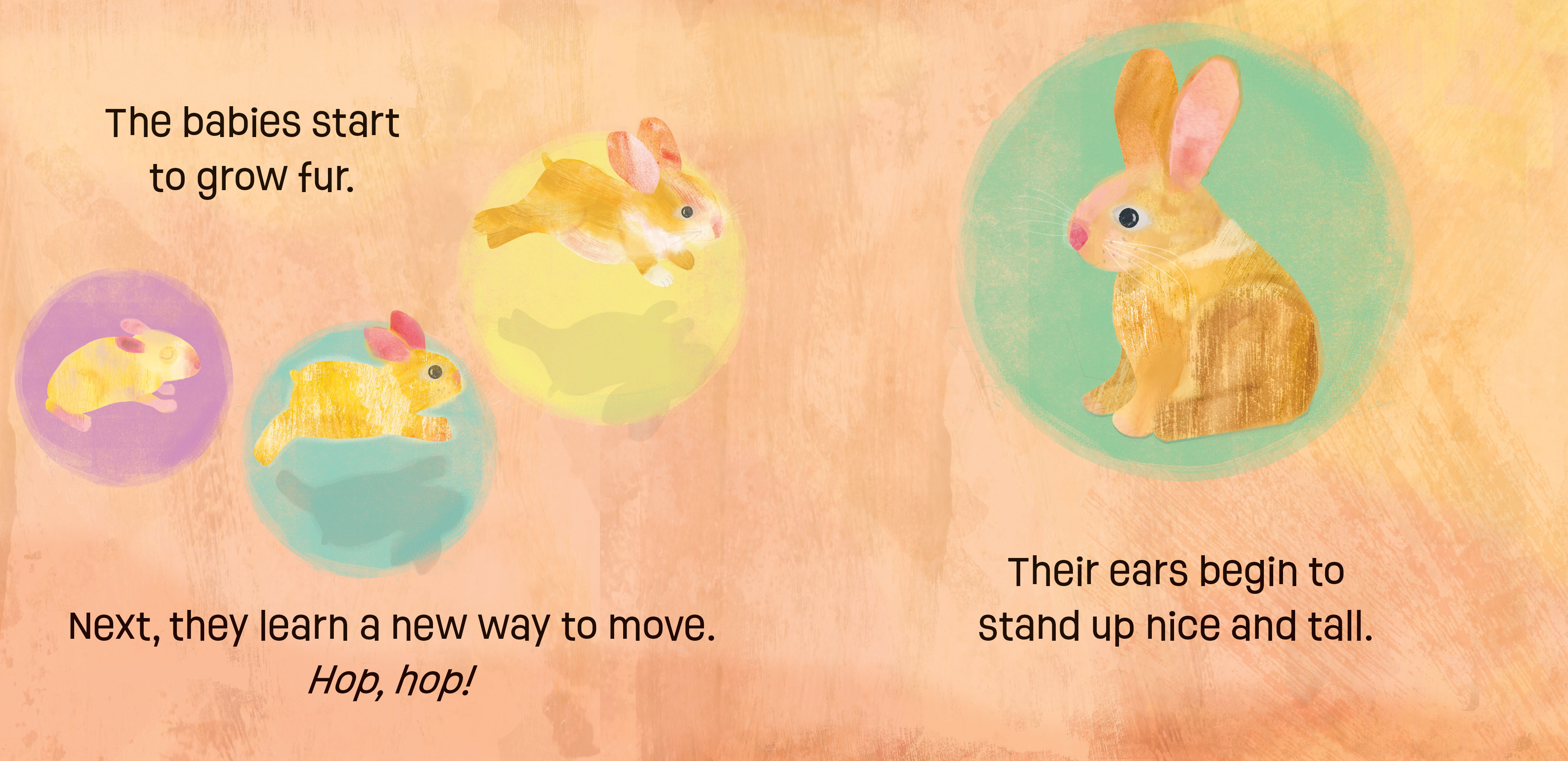
Here's another example: When I was researching Puppies Know and Grow, one source said that puppies can walk by four weeks, and a second source said the same thing. So did a third source. Hooray! Agreement! On the other hand, two sources said that puppies start to get their baby teeth around four weeks, while a third source mentioned these teeth coming in by three weeks.
What I’ve concluded, after researching four of these books (Kittens Know and Grow and Chicks Know and Grow are coming soon!) is that different breeds of animals develop along slightly different timelines. And even within a breed, individual animals can develop differently. If I look at photographs of two litters of bunnies—two different breeds—over the first few weeks of their lives, I can see some of the differences for myself.
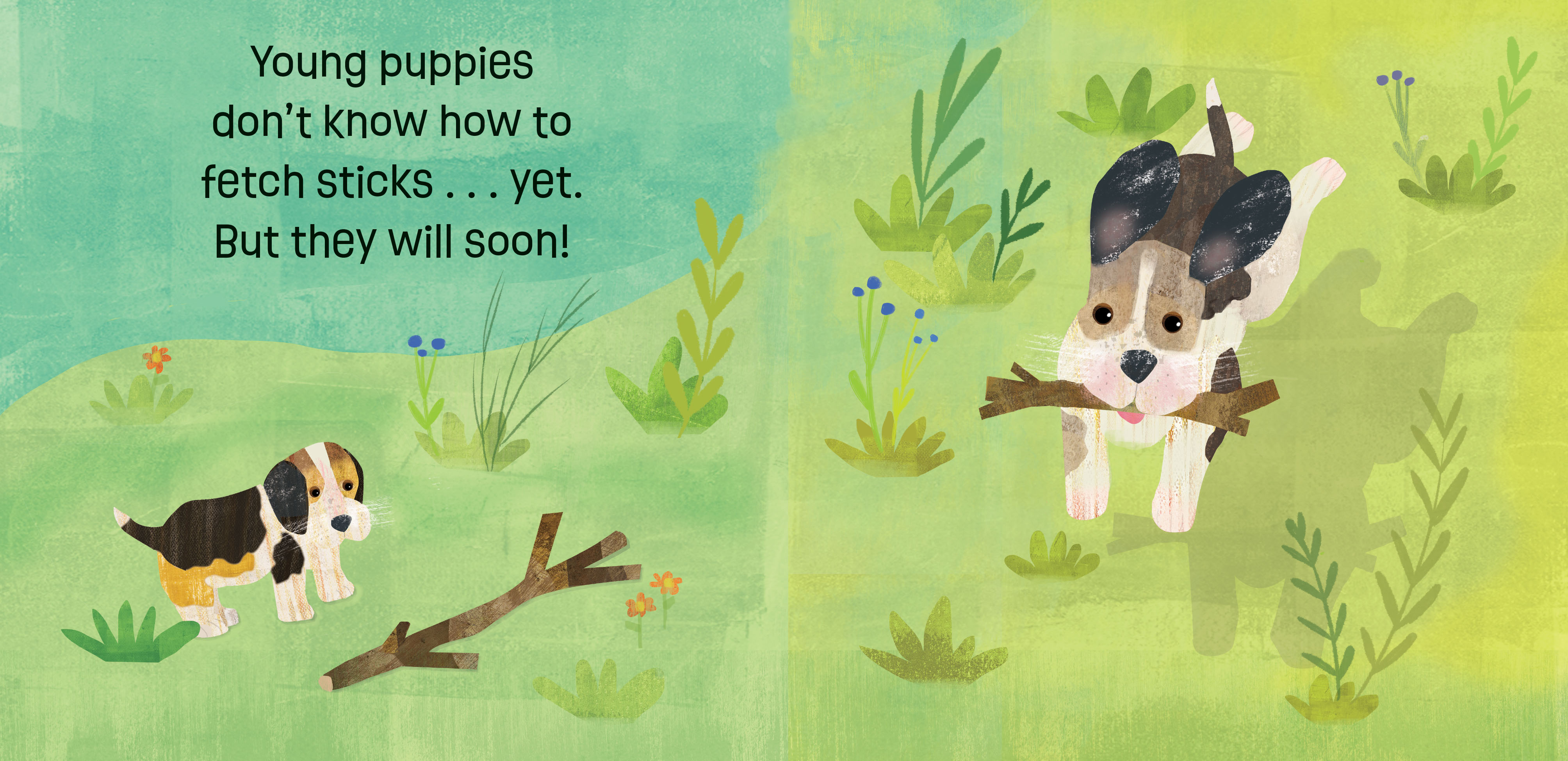
But these potential differences made it hard for me to keep my writing both simple and accurate. In the case of the bunnies and their fur, the line that made it into the finished book is this: “About a week after birth, the kits start growing fur —sometimes sooner!” In the case of the puppies and their teeth, the final line in the published book is: “Puppies develop their baby teeth around four weeks.” Do you notice what those two lines have in common? The first one says “about” and “sometimes,” and the second one says “around.” I purposely put those three not-that-precise words into the book as a way to say, “This isn’t an exact science!” and “If you have a bunny or puppy at home, they may not hit each stage at exactly the time you expect!”
All in all, researching these books was fascinating, and I learned a lot. But one of the most important things I learned was that the timing of developmental stages is not always super precise. And considering that my husband walked at 11 months, while our oldest son didn’t walk until 16 months, I shouldn’t have been surprised by this at all!
About the Author

Laura Gehl is the award-winning author of more than fifty books for young readers, including picture books, board books, lift-the-flap books, and early readers. Her titles include One Big Pair of Underwear, the Peep and Egg series and My Pillow Keeps Moving.
When not writing, she is probably reading, walking in the woods, or eating ice cream. Laura lives in Chevy Chase, Maryland with her husband and four children.
About the Books