







In Turning a Memoir Into a Picture Book
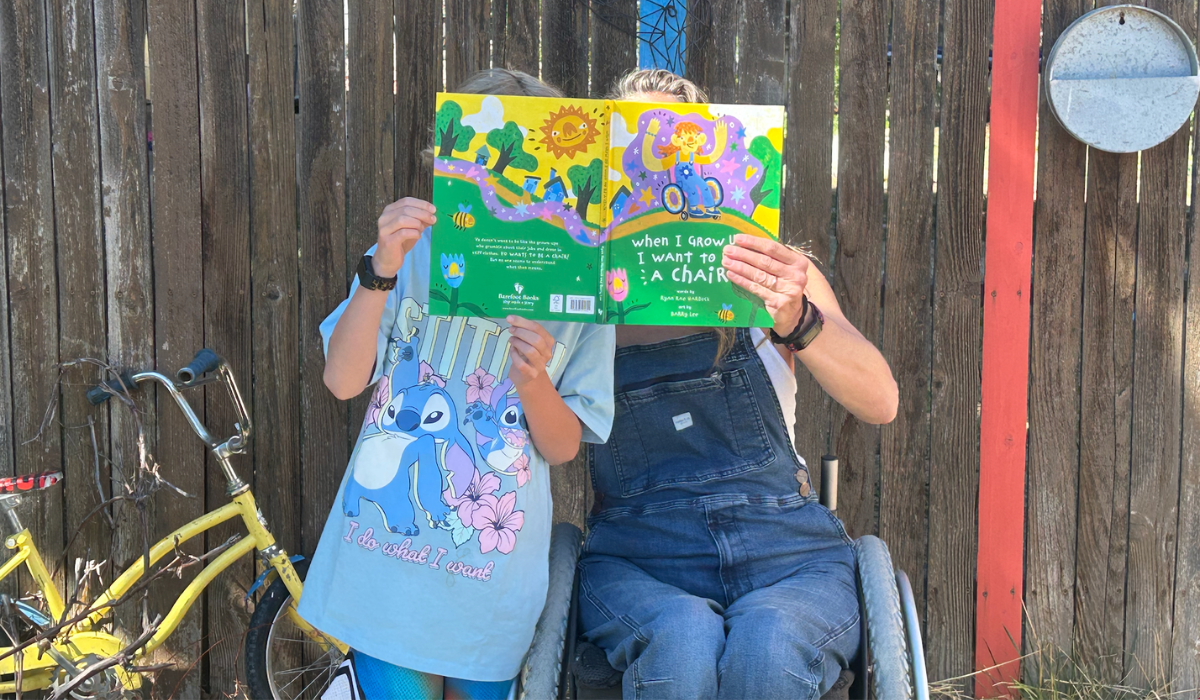
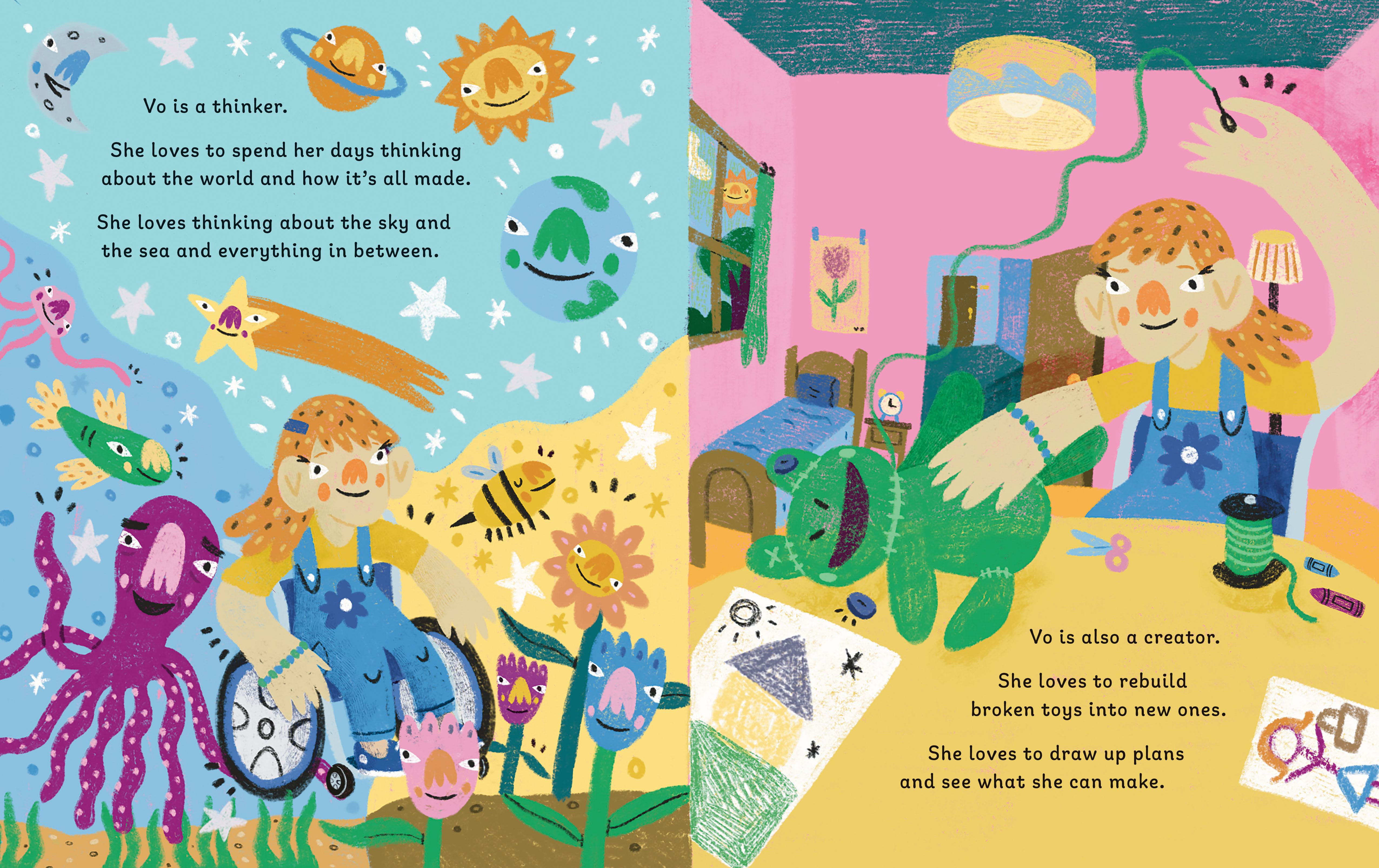
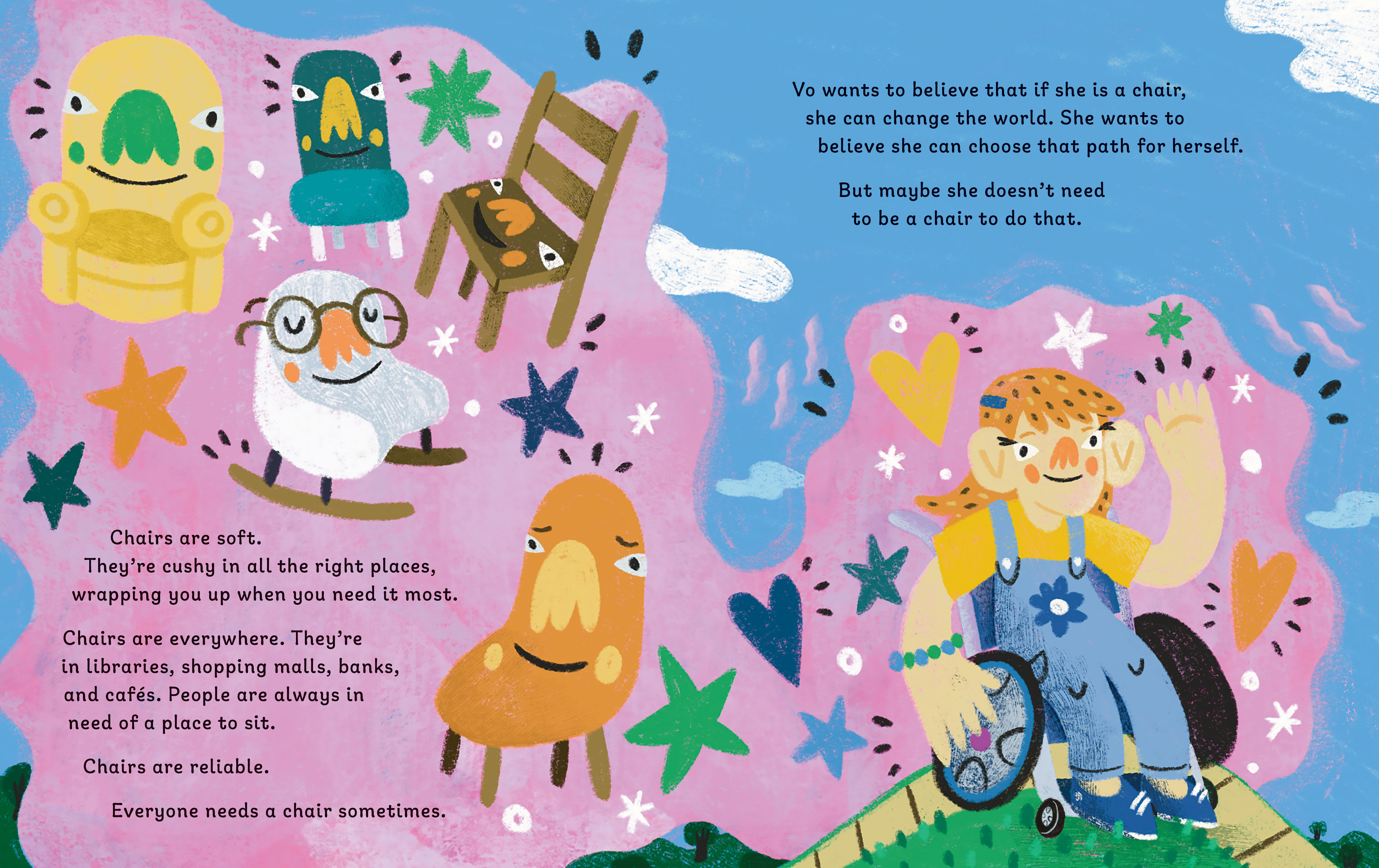
Ryan Rae Harbuck’s award-winning debut memoir When I Grow Up I Want to Be a Chair offers a keen look into her life after a spinal cord injury in her teens made her a wheelchair user. She’s on a mission to change the narrative of disability, one word at a time. Her new picture book with the same name as her memoir, When I Grow Up I Want to be a Chair, follows Vo, a young girl figuring out who she wants to be.
“Let me know if you’d ever be up for writing a children’s book based off of your memoir!” A moment of pure happenstance from a senior editor at Barefoot stirred something inside of me.
It’s safe to say that I wrote it that very day.
But turning a memoir with themes of grief and overcoming trauma into a story meant for kids should be harder to write, right?
That’s just the thing, though, I think that story had been sitting in me, idly, waiting for the chance to come out. Waiting quietly for nearly 30 years.
Having been paralyzed by a car accident in my teens, using a wheelchair quickly became part of my identity. I was still a kid and was forced to learn all sorts of lessons and traits far beyond my years. At the young age of sixteen, I was taught about failure and loss. I was taught vulnerability and adversity. I was taught about true courage and even truer compassion. And, even more so, there were no books to tell me that in being different, I was going to be okay.
So when I sat to write the “kid’s version” of my memoir, all the light from the lessons and moments from back then illuminated the page, and my main character, Vo, was born.
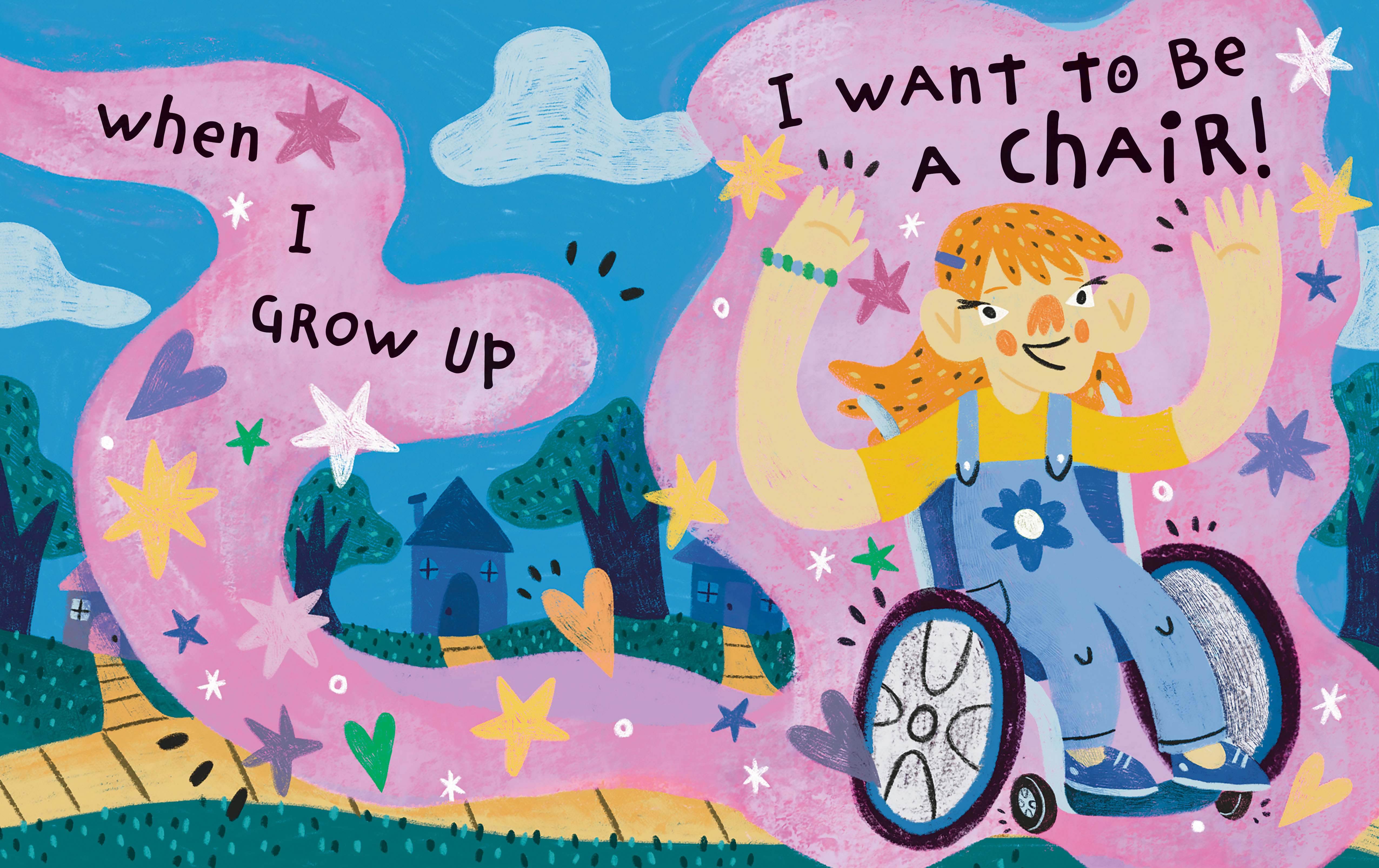
The story of Vo is not my story alone. I wanted any child or grownup who has ever felt different to be seen, and to be uplifted. I wanted Vo to make the reader realize that someone with a disability should be seen as someone who’s gained, rather than lost. I wanted you to close the book and understand something new about yourself and the world around you.
Okay, I was asking for a lot.
And when it came time to check in with my editor, she stopped me dead in my tracks. She didn’t understand. She didn’t get it. Staring at her across the screen I unfroze to explain everything I never knew about myself and my disability, everything I never knew about this picture book too. It was one of the most pivotal moments of my life, to put into words the emotions that had been tightly wound within me for so long.
So, I went back to revising.
When it was all said and done, it is just as much my memoir as it isn’t. There was never a giant hill or a vow of silence, but it was exactly how this story had to be told. Just like Vo, my chair is just as much a part of me as it isn’t, and I won’t stop yelling it from the tippity top of the humpiest, bumpiest hill anytime soon.
About the Author
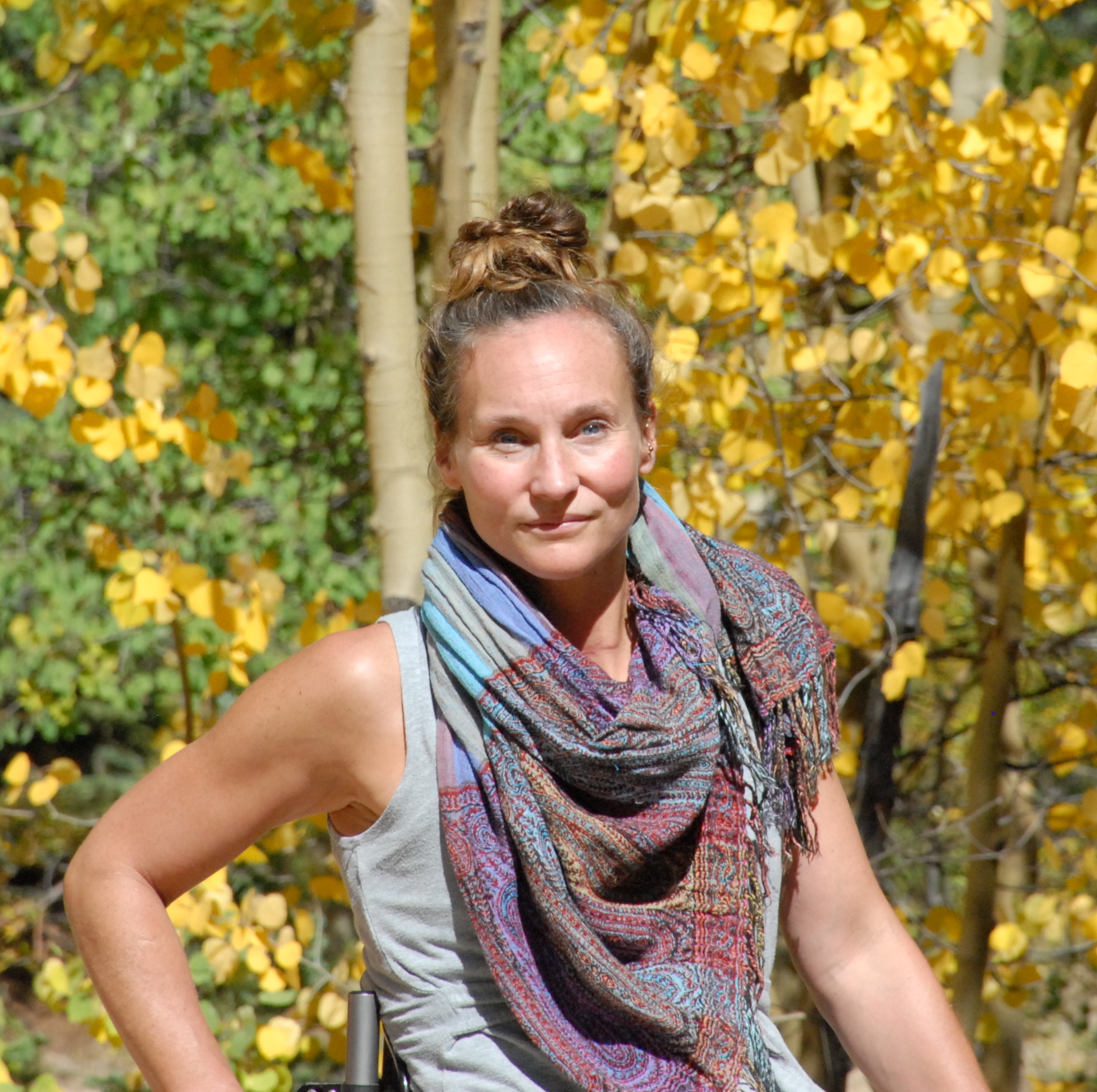
Ryan Rae Harbuck’s award-winning debut memoir When I Grow Up I Want to Be a Chair offers a keen look into her life after a spinal cord injury in her teens made her a wheelchair user. She’s on a mission to change the narrative of disability, one word at a time.
Born and raised in Denver, Colorado, USA, Ryan has been a teacher, coach, and a mentor, but likes being Mom the most.
About the Book
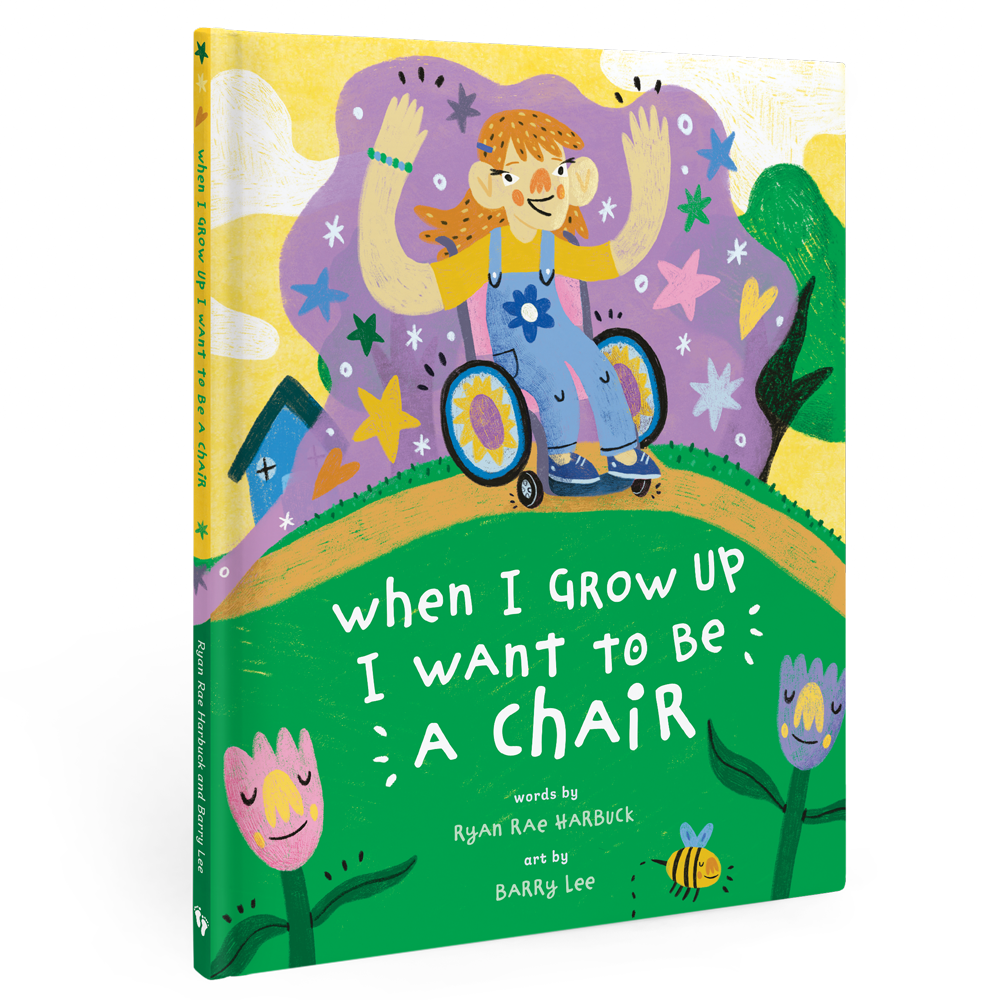
When I Grow Up I Want to be a Chair
Written by Ryan Rae Harbuck
Illustrated by Barry Lee
"Focused on a child’s shifting self-image, it’s a complex exploration of autonomy, identity, and support"
– Publishers Weekly
"This is a book unafraid to delve into the complicated relationship that a kid in a wheelchair has with their chair"
– Betsy Bird, Librarian, @FuseEight