







The Sleeping Bag Story and Fictionalizing Fragments of Memory
When I visit schools and libraries to read my books with children, one of my hopes is to convey that each one of us has unique stories to tell. Writers often draw on their personal stories and memories. When we transcribe the images, emotions, and sensory details of our own experiences, we can sometimes find the raw material for books.

At the same time, I find that these bits and pieces of experience don’t usually emerge in any complete form. They don’t include all the elements of a story. Instead, they are fragments—phrases that might hold threads of feeling, or images with the potential for metaphor. They are—often literally—scraps of paper.
So how to move from scraps to a book? And how can this material, based on real life, be used for fiction? Here I thought I’d share how I adapted some of my own memories to write The Remembering Candle.
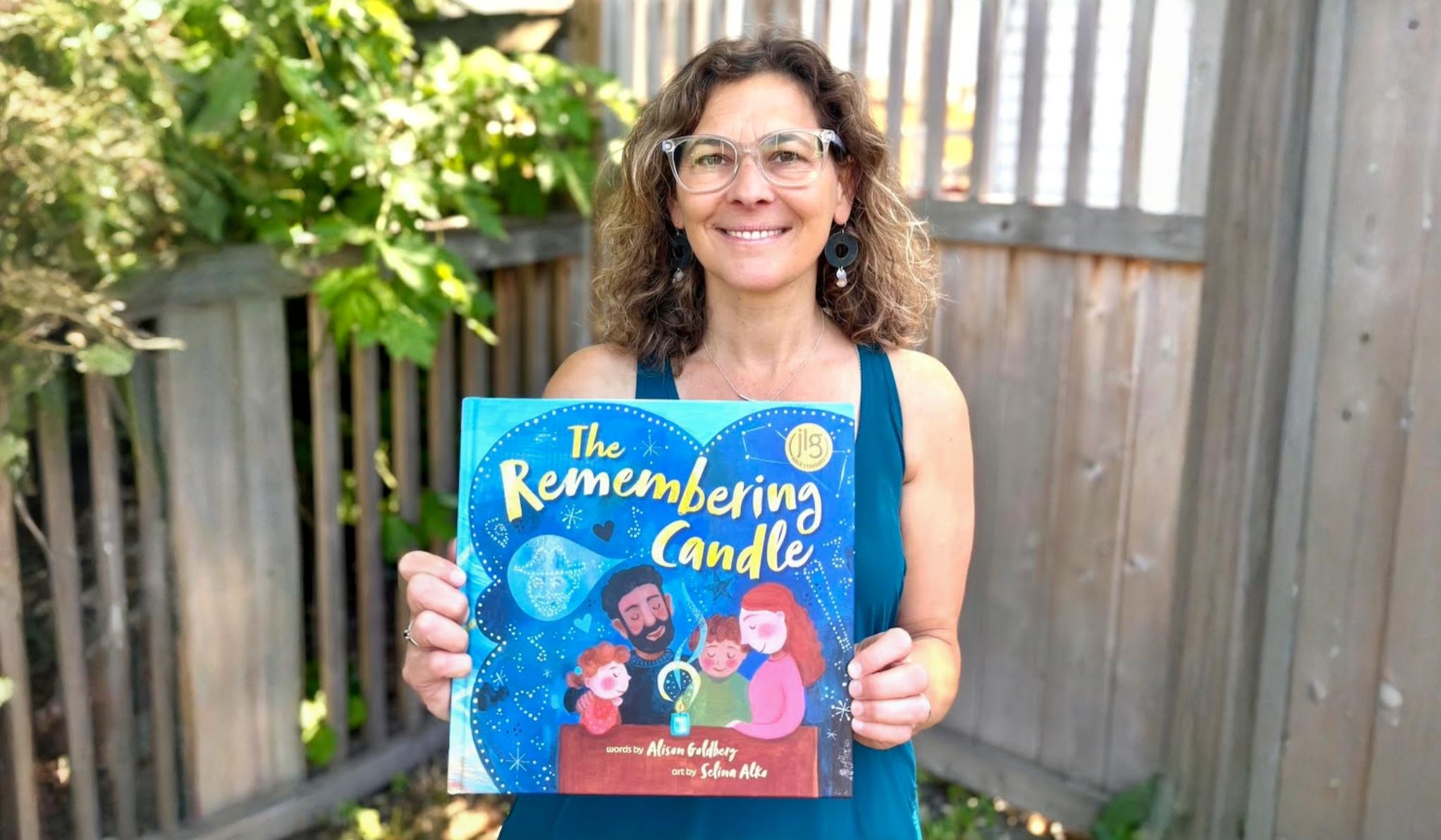
This book focuses on a child’s first experience with the Jewish memorial tradition of yahrzeit—lighting a remembrance candle on the anniversary of the day a family member died. I knew that I wanted this story to take place in a family’s home, where they’d light a candle to remember Grandpa. The timeline of the story would follow the candlelight, from sunset to sunset, and during this time, my characters would share their memories of him.
It felt important to evoke a range of emotions and engage a variety of senses through the memories, so I looked to my own. I collected my fragments, and then I considered their fictional possibilities. Here’s how this works in one of the spreads:

What’s true in this spread is that as a child, I had a lot of ear infections, often in the middle of the night, and my own father did carry me at least once to a close friend’s house to check my ears. When I think back on this moment, my memory is not about the pain in my ears but about the warmth and care I got. This is what I wanted to include and amplify in the book. The mom in the story is an invented character in an imagined setting, telling a fragment of my story.
Then I adapted the memory further. I added the sleeping bag to the scene because I remembered that when I was a child, I loved sleeping in them. I wanted this image to feel cozy, and for the children in the present-day to have this link to the mom’s story from the past. The child in the story refers to this memory as “the sleeping bag story” because I imagined it could be one of those family stories that kids love to hear repeated. This kind of storytelling echoes what can happen during a yahrzeit—family stories told again and again, to remember someone.
As a picture book writer, I contribute a part of the story. Illustrator Selina Alko shaped this scene as well. In her dreamy and tender collage, I see layer upon layer of memories.

Each one of us has unique stories to tell. Sometimes we can find meaning in the fragments. Sometimes they can be points of connection—even the ones that seem as ordinary as a sleeping bag.
About the Author
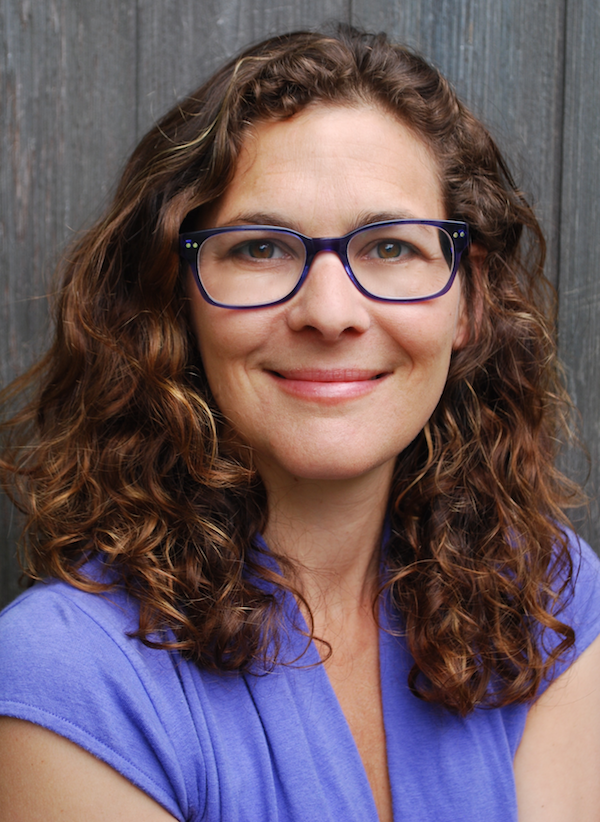
Alison Goldberg is the author of fiction and nonfiction picture books. She often finds writing inspiration from family stories and thinking about the ways that stories can connect people across generations. Alison lives near Boston, Massachusetts.
About the Book

The Remembering Candle
Written by Alison Goldberg
Illustrated by Selina Alko
★ "A beautiful presentation of a custom that explores its many layers of meaning" – Booklist, starred review
★ "This is a first purchase not only because of its high quality, but also because of the scarcity of children’s books about the Jewish memorial custom of yahrzeit"– School Library Journal, starred review
"A meaningful and sensitive celebration of life." – Kirkus Reviews